Explore our certified, scalable contract manufacturing catalogue—spanning functional gummies, high-purity botanical extracts, nootropic capsules, and metabolic electrolyte matrices tailored for health-conscious consumers in Nagoya and global markets.
Nagoya, the capital of Aichi Prefecture and the industrial nucleus of Japan’s Chubu region, presents a unique demographic and economic operational landscape for dietary supplement brands. As a global manufacturing stronghold for automotive, aerospace, and precision machinery conglomerates, Nagoya’s workforce exhibits a profound demand for evidence-based recovery and sleep hygiene solutions. In Japanese corporate culture, the concept of "Suimin-katsu" (sleep optimization activity) has rapidly transitioned from a niche wellness lifestyle into a mainstream, medically acknowledged strategy for sustained executive output, metabolic maintenance, and cognitive burnout prevention.
To capture market share in Aichi’s dense retail networks—spanning regional pharmacy giants such as Sugi Pharmacy and Matsumoto Kiyoshi, to hyper-targeted D2C e-commerce platforms like Rakuten Japan and Amazon.co.jp—brand owners require a manufacturing partner capable of executing ultra-precise dosage uniformity, micro-encapsulation for moisture protection in humid coastal climates, and clean label compliance free from forbidden pharmaceutical contaminants.
Developing a high-margin, high-repeat-purchase sleep support supplement requires an understanding of human neurochemical regulation during the circadian transition. Modern sleep deprivation rarely stems from a single physiological deficit; rather, it is a complex interplay of elevated evening cortisol, central nervous system hyper-arousal, delayed alpha-wave brain activity, and cellular mitochondrial fatigue.
Gamma-Aminobutyric Acid (GABA) serves as the primary inhibitory neurotransmitter in the central nervous system. When co-formulated with L-Theanine (an amino acid naturally occurring in green tea leaves), it exhibits a synergistic neurological dampening effect on beta waves while stimulating calming alpha brainwaves (8–12 Hz). Our factory utilizes micro-encapsulated GABA to prevent premature stomach acid degradation, ensuring optimal intestinal uptake.
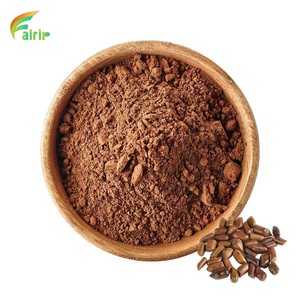
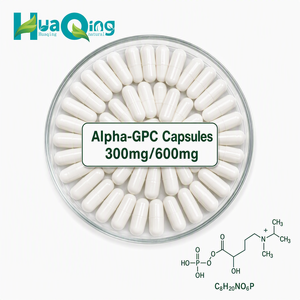
Cognitive depletion caused by insomnia creates a secondary demand for daytime neural repair. By pairing evening relaxation complexes (Magnesium Bisglycinate + Botanical Extracts like Cassia Seed) with daytime acetylcholine precursors like Alpha-GPC, brands can market a comprehensive "24-Hour Neuro-Restorative System." Alpha-GPC crosses the blood-brain barrier to support memory consolidation after deep sleep cycles.
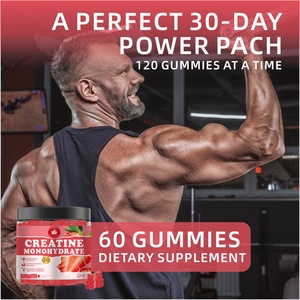
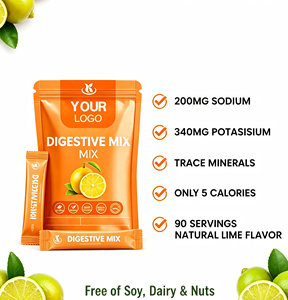
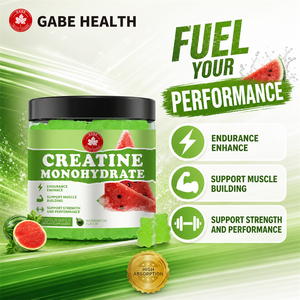
Sleep deprivation severely impairs cellular osmotic regulation and ATP regeneration. Integrating low-carb Electrolyte Powders and Creatine Monohydrate Gummies into a brand’s nocturnal recovery suite restores intracellular phosphocreatine reserves in muscular and brain tissue. This reduces waking morning lethargy without resorting to artificial stimulants.
Selecting the correct delivery matrix is vital for target demographic alignment, active dosage load, stability profile, and retail pricing strategy in Japan.
| Technical Matrix Parameter | Vegetable HPMC Capsules | Functional Gummy Confectionery | Single-Serve Hydration Powders |
|---|---|---|---|
| Max Active Load / Dose | 500mg – 850mg per capsule | 150mg – 300mg per gummy | 3,000mg – 10,000mg per sachet |
| Disintegration & Release Time | 10 to 15 minutes (Gastric release) | 20 to 30 minutes (Mastication + Oral absorption) | Immediate (Liquid solution state) |
| Nagoya Market Consumer Preference | High (Executive / Traditional Pharmacy) | Explosive Growth (Gen Z / Lifestyle Brands) | Very High (Athletes / Shift-Workers) |
| Moisture Barrier & Shelf Life | Excellent (Blister or Sealed HDPE Jar) | Moderate (Requires climate control) | Superior (Tri-laminated Aluminum Sachet) |
| FFC Claim Compatibility | Full compliance with standardized dosages | Requires pectin heat-stability validation | Ideal for multi-active complex blends |
To achieve commercial velocity in the Nagoya market, private label products must address explicit consumer use cases. Generic "sleep aids" often fail to resonate; localized positioning that targets specific sub-demographics in Aichi Prefecture drives significantly higher conversions and brand loyalty.
Nagoya’s automotive engineering sector involves high cognitive loads, meticulous quality control pressures, and long desk hours. Products engineered for this segment combine Alpha-GPC, L-Theanine, and Magnesium Glycinate to lower sympathetic nervous system activation post-shift. Marketed as "Overnight Brain De-Stressing Capsules," these products fit into corporate wellness initiatives and upscale Nagoya department store pharmacies (such as JR Nagoya Takashimaya).
Industrial production lines in Toyota City, Kariya, and Komaki operate on rotating day/night shift shifts. Shift-work sleep disorder (SWSD) is prevalent among plant technicians. Formulating rapid-dissolve electrolyte powders enriched with GABA and Cassia Seed extract enables workers to achieve restorative slow-wave sleep during non-traditional daytime rest windows without next-day grogginess.
Younger demographics in Nagoya’s Sakae and Meieki retail hubs view supplement consumption through a convenience and treat-based lens. Low-sugar, pectin-based Creatine & Sleep Botanical Gummies serve as an evening ritual. OEM production using clean-label, plant-derived colorants ensures alignment with Japanese clean-eating trends.
Japan’s aging population in the greater Aichi area requires dual-action formulations. Combining Cassia Seed Extract (traditionally utilized for eye fatigue and intestinal smoothness) with calming botanical sleep adaptogens creates an appealing dual-benefit product for senior wellness catalog distribution.
Launching private label supplements in Japan requires navigating strict regulatory oversight enforced by the Ministry of Health, Labour and Welfare (MHLW), the Pharmaceuticals and Medical Devices Agency (PMDA), and the Consumer Affairs Agency (CAA). Understanding the delineation between general food products, functional health foods, and pharmaceutical substances is critical to avoiding customs seizures or retail recall orders.
In Japan, certain ingredients permitted in Western dietary supplements (such as Melatonin, 5-HTP, or high-dose DHEA) are classified as pharmaceutical drugs by the MHLW and are prohibited in food/supplement channels. Our factory specializes in legal, effective non-medicinal alternatives including L-Theanine, GABA, Chamomile, Valerian Root, Glycine, and Magnesium complexes.
The FFC system allows brands to state specific health benefits on retail packaging (e.g., "Helps reduce stress and improves sleep quality") without expensive individual approval, provided the formulation relies on scientific evidence for active ingredients like L-Theanine or GABA. Our OEM service includes complete dossier preparation for FFC notification filing.
Under the Japanese Food Sanitation Act, clear declaration of 28 designated allergen substances is mandatory. Our manufacturing lines implement allergen-controlled changeovers, strict sanitation cycles, and validated testing protocols to eliminate cross-contamination risks for gluten, soy, dairy, and shellfish residues.
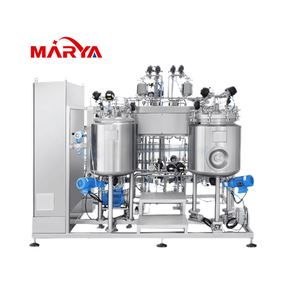
As an enterprise contract manufacturing platform, our manufacturing architecture integrates advanced European and international pharmaceutical equipment standards. Powered by the Marya Professional Formulation System, our factory delivers reliable consistency for private label brands seeking high-efficiency scaling in the Nagoya region.
All high-speed encapsulation, powder blending, and gummy molding operations occur within HEPA-filtered Class 100,000 cleanroom environments. Ambient temperature and relative humidity (RH < 35% for hygroscopic powder blends) are continuously monitored to ensure zero moisture contamination during filling.
Every raw material batch undergoes HPLC (High-Performance Liquid Chromatography) assay testing, heavy metal mass spectrometry screening (Pb, Cd, Hg, As), and microbiological pathogen counts before entering blending tanks. Finished batches receive a comprehensive Certificate of Analysis (CoA).
We bridge the gap between low-risk brand entry and high-volume commercial runs. Starting at 500 units per SKU for selected ready-to-brand stock formulas and scalable up to millions of units, we offer direct freight handling to the Port of Nagoya and Chubu Centrair International Airport (NGO).
For our ready-to-brand stock formulas (in standard capsule or bottle formats), MOQ starts from 500 bottles per SKU. For custom formulations requiring unique raw material sourcing, special flavor profiling (for powders or gummies), or custom printed blister packaging, MOQs generally start at 2,000 to 5,000 units depending on ingredient minimum purchase requirements.
Our regulatory team screens every ingredient against the MHLW "Non-Medicinal List" (医食同源 / 専ら医薬品として使用されない成分本質). We strictly exclude prescription-only substances like Melatonin and replace them with compliant, clinically backed somnogenic actives such as L-Theanine, GABA, Glycine, Magnesium Bisglycinate, and standardized Cassia Seed Extract.
Once label artwork and batch specifications are approved, stock formula production requires approximately 3 to 4 weeks. Custom formulations take 4 to 6 weeks to allow for raw material analytical clearance and stability testing. Air freight to Chubu Centrair Airport (NGO) takes 3–5 business days, while ocean shipping to the Port of Nagoya takes approximately 10–14 days.
Yes. We offer low-sugar and completely sugar-free gummy base options utilizing natural polyols (such as Maltitol, Erythritol) or soluble tapioca fiber. We utilize citrus pectin rather than animal gelatin to suit vegan preferences, ensuring heat stability during transport in Japan's summer months.
Our complete OEM service includes graphic design assistance for Japanese compliant labels—ensuring proper placement of nutritional tables, ingredient breakdown in descending order by weight, allergen warnings, manufacturer details, and Japanese JAN/EAN barcode positioning.
Our facility utilizes positive-pressure isolated blending suites equipped with dedicated dust-extraction systems. Alpha-GPC (which is highly hygroscopic) is processed in humidity-controlled rooms (<30% RH) to prevent clumping. Automated CIP (Clean-in-Place) protocols wash and validate all contact surfaces between product runs.
Partner with a cGMP, ISO-certified contract manufacturer that understands formulation science, Japanese compliance, and agile production scaling. Speak with our technical formulation team to request samples, pricing sheets, or custom batch briefs.
