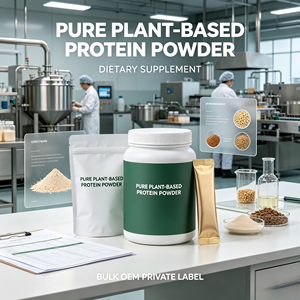
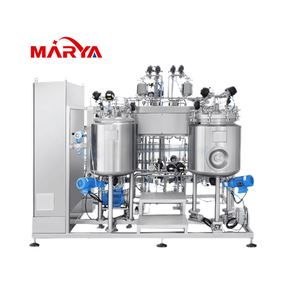
Direct factory supply of standardized botanical active ingredients, engineered powders, and custom nutraceutical delivery formats manufactured under verified GMP and ISO quality assurance.
Empowering global supplement brands, pharmaceutical distributors, and wellness enterprises through standardized processing, absolute batch-to-batch repeatability, and rigorous international certification.
Break market entry barriers with scalable production lines starting from just 500 units per SKU on core stock formulations, enabling rapid market validation without over-leveraging capital.
Manufactured under stringent GMP, HACCP, and ISO quality frameworks. Fully aligned with EU Regulation (EC) 1924/2006 on health claims and Regulation (EU) 1169/2011 labeling standards.
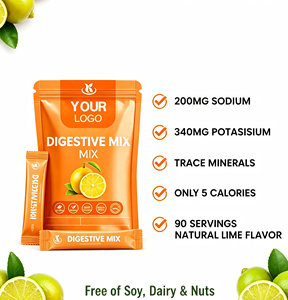
Single-source manufacturing coverage spanning two-piece hard capsules, compressed tablets, functional powder blending, single-serve sachets, and specialized gummy matrices.
The worldwide market for custom OEM herbal extracts and botanical dietary supplements is undergoing a fundamental structural transition. Sourcing managers, R&D directors, and brand owners no longer evaluate extract suppliers purely on unit cost per kilogram; modern procurement framework prioritizes bio-active assay standardization, comprehensive analytical transparency (including HPLC fingerprinting and LC-MS/MS contaminant profiles), and verifiable origin traceability.
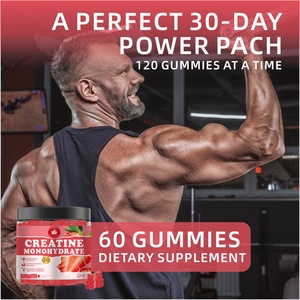
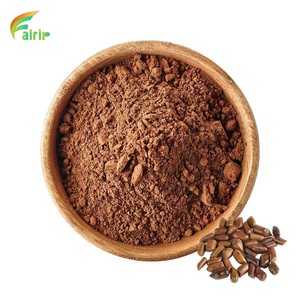
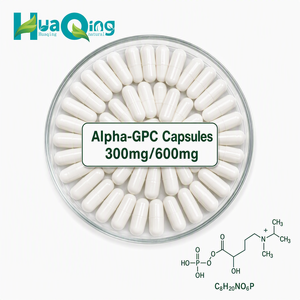
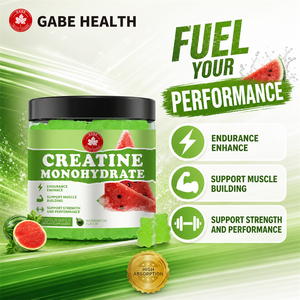
As consumer demand pivots toward science-backed, natural wellness solutions, high-potency standardized herbal extracts (such as Cassia Seed 10:1 ratios, high-purity Creatine Monohydrate complexes, adaptogenic botanical complexes, and bio-available Alpha-GPC cognitive precursors) have established themselves as foundational ingredients across dietary, functional food, and sports nutrition sectors.
Historical bulk botanical supply relied heavily on crude powder ground directly from raw plant materials. Modern commercial buyer expectations have evolved. B2B procurement strategies now insist upon precise standardization to verified marker compounds (e.g., specific percentages of polyphenols, flavonoids, saponins, or alkaloids).
Future-proof OEM manufacturing requires environmentally responsible and non-toxic extraction techniques. Industrial processing facilities are rapidly transitioning away from aggressive organic solvents toward cleaner, eco-friendly separation methods:
Navigating raw material supply chain complexity, regulatory tightening, and technological breakthroughs in global contract manufacturing.
Supply chain adulteration poses significant financial and regulatory risk to health brands. The future of OEM procurement relies on genomic authentication. Leading exporters are implementing raw material DNA barcoding alongside traditional microscopic analysis to guarantee 100% botanical species identity prior to raw material charge in extraction vessels.
Global retail networks are aggressively auditing supplement ingredient lists. Sourcing managers must specify natural flow agents (such as silica derived from bamboo extract or organic rice hulls) to replace synthetic magnesium stearate and titanium dioxide across custom encapsulation and tablet compression lines.
Single-ingredient products are increasingly commoditized. Market growth is driven by multi-target functional matrixes—combining standardized herbal extracts with metabolic electrolytes, bio-available choline sources (Alpha-GPC), amino acid complexes, and liposomal delivery enhancers to substantiate multi-structure health claims.
Institutional procurement protocols require documented environmental, social, and governance (ESG) compliance. International buyers demand full supply chain mapping—from wild-harvest farm cooperatives to energy-efficient spray drying plants—ensuring ethical labor practices and minimal carbon footprint.
Standard operating parameters across OEM extract processing and finished dosage form production.
| Parameters & Capabilities | Standard OEM Specification | Advanced Custom Solution Tier | Quality & Analytical Assurance |
|---|---|---|---|
| Herbal Extract Ratios | 4:1, 10:1, 20:1 Standard Ratios | Custom Concentrated Biomass Ratios | TLC Assay & Extractive Value Testing |
| Standardized Actives | 1% – 50% Active Phytochemicals | Up to 98% Ultra-Pure Isolation | HPLC / GC-MS Quantitative Analysis |
| Physical Formats | Free-Flowing Fine Powder (80 Mesh) | Micro-Encapsulated / Granulated (40-60 Mesh) | Particle Size Distribution (PSD) Analysis |
| Dosage Form Delivery | Two-Piece Veggie / Gelatin Capsules | Functional Gummies, Sachets, Protein Powders | Disintegration & Dissolution Testing |
| Moisture Content | ≤ 5.0% Loss on Drying (LOD) | Custom Controlled (≤ 3.0% for Hygroscopics) | Karl Fischer / Oven Drying Method |
| Contaminant Screening | Heavy Metals < 10ppm, Microbes Compliant | Zero Pesticide Residue (EU/USP Standard) | ICP-MS Heavy Metal & Micro Culture Screening |
Direct answers to technical, regulatory, and commercial queries encountered by international B2B buyers during OEM botanical extract procurement.
Connect directly with our technical formulation team to request comprehensive product catalogs, custom batch pricing, raw material CoA records, or technical OEM consulting.