
Comprehensive Strategic Guide: Sourcing Herbal Supplements from China OEM Factories
The global dietary supplement ecosystem is undergoing a seismic paradigm shift. Modern consumers no longer view botanical supplements as crude, unstandardized alternative remedies. Instead, they demand highly purified, clinical-grade, bioavailable nutraceutical solutions backed by verifiable laboratory data. As the world's primary producer of botanical extracts and active pharmaceutical ingredients (APIs), China has transformed from a raw commodity exporter into a global powerhouse for high-tech contract manufacturing.
Building a successful private label herbal brand requires a deep understanding of botanical sourcing dynamics, extraction protocols, quality control matrixes, and global compliance frameworks. Below, we break down the critical technical vectors that define world-class herbal manufacturing.
1. Advanced Extraction Technologies: Standardized Powder vs. Crude Ratio Extracts
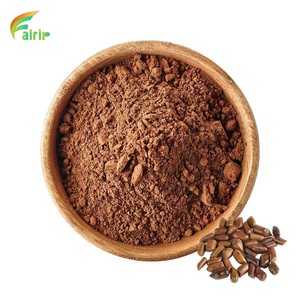
When procuring botanical products such as Cassia Seed Extract, Ashwagandha, or Ginkgo Biloba, B2B buyers must distinguish between crude extract ratios and standardized marker compounds:
| Extraction Methodology | Technical Characteristics | Quality Verification | Ideal Commercial Application |
|---|---|---|---|
| Ratio Extracts (e.g., 10:1, 20:1) | Concentrated biomass yield derived by boiling raw herb in solvent and drying. Yields general matrix. | TLC (Thin Layer Chromatography) Identification | General wellness, budget capsule blends, bulk herbal tea powders. |
| Standardized Extracts (e.g., 50% Flavonoids) | Engineered to guarantee a precise percentage of active bio-compounds (chemical markers). | HPLC (High-Performance Liquid Chromatography) / GC-MS | Clinical formulations, premium brain health, target metabolic applications. |
| Supercritical CO₂ Extraction | Solvent-free cold extraction process preserving volatile terpenes, essential oils, and heat-sensitive phytocompounds. | Gas Chromatography & Spectrometry | High-end adaptogens, liposomal formulas, clean-label premium oil extracts. |
2. The Evolution of Delivery Formats: From Hard Capsules to Functional Gummies
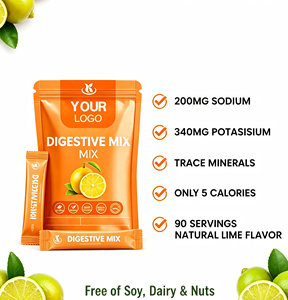
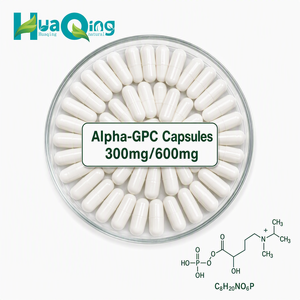
Consumer compliance and preference have drastically shifted over the past three years. Traditional two-piece hard gelatin capsules, while still a staple for cognitive formulas like Alpha-GPC or concentrated plant powders, are increasingly sharing market share with functional gummies and instant soluble powders.
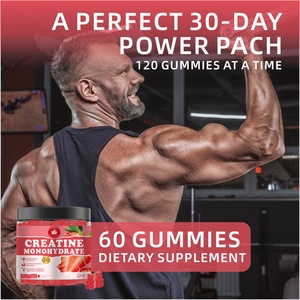
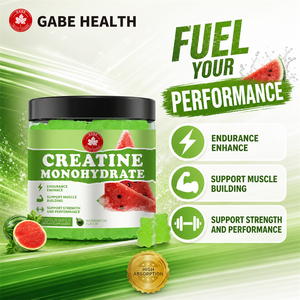
Manufacturing stability in functional gummies—such as Creatine Monohydrate Gummies—presents specific engineering challenges. Creatine monohydrate is notoriously unstable in aqueous environments over extended shelf lives, tending to degrade into creatinine. Our factory addresses this challenge using proprietary low-water-activity pectin matrices and micro-encapsulation techniques that prevent moisture-induced degradation, maintaining potency while delivering zero-sugar, delicious chewable supplements.
3. Quality Assurance: The cGMP Testing Protocol Matrix
To comply with stringent international regulatory frameworks (such as FDA 21 CFR Part 111 and EU Regulation 178/2002), our contract manufacturing lines enforce a multi-stage testing architecture:
- Raw Material Quarantine & Identity: Every incoming lot of botanical biomass undergoes microscopic inspection, TLC identity testing, and botanical origin verification to eliminate economic adulteration.
- Contaminant Screening: Heavy metals (Lead, Arsenic, Cadmium, Mercury) are quantified via ICP-MS to parts-per-billion (ppb) sensitivity. Pesticide residues are screened against over 400 banned agricultural chemicals via LC-MS/MS.
- In-Process Control (IPC): Weight variation, hardness testing for tablets, disintegration times, and seal integrity tests are executed automatically every 30 minutes on automated lines.
- Finished Product Stability: Accelerated stability testing under ICH guidelines (40°C ± 2°C / 75% RH ± 5% RH) ensures shelf-life validity, moisture barriers, and active constituent retention over 24 to 36 months.
Future Procurement Trends in Herbal & Botanical Manufacturing (2025–2030)
Procurement directors and brand strategists must anticipate upcoming consumer and regulatory shifts to maintain market leadership. Key trends shaping contract manufacturing include:
A. Micro-Encapsulation & Liposomal Bioavailability Enhancements
Natural botanical active compounds (such as curcumin, berberine, and resveratrol) often suffer from low oral bioavailability and poor intestinal absorption. Future manufacturing workflows prioritize liposomal delivery systems and bio-enhanced emulsification, wrapping active compounds in lipid bilayers. This increases cellular uptake by up to 800% without increasing raw material dosage.
B. Clean-Label Excipient Substitution
Global regulatory bodies and conscious consumers are rejecting synthetic lubricants and anti-caking agents such as magnesium stearate, silicon dioxide, and titanium dioxide. Future-focused factories are replacing these with organic rice extract blends, acacia gum, and tapioca starch systems to create 100% clean-label certificates.
C. Carbon-Neutral & Sustainable Supply Chains
International B2B buyers are requiring supply chain transparency. Modern Chinese factories are investing in solar-powered processing hubs, eco-friendly water recovery systems for botanical extraction, and fully biodegradable or recyclable packaging formats (such as PCR plastics and aluminum tins).