Explore our premium stock formulations, specialized botanical extracts, and high-purity functional nutrition powders optimized for immediate private label deployment.
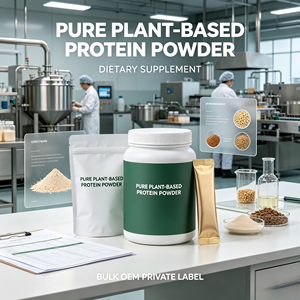
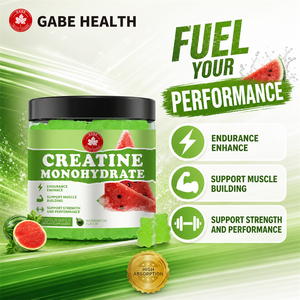
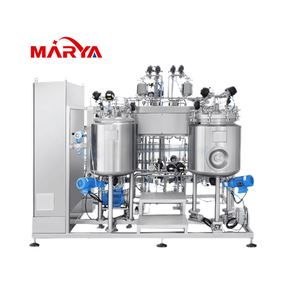
Why leading global sports nutrition brands and pharmaceutical-grade supplement distributors partner with our CE-compliant processing facilities.
Our extraction lines, fluid-bed dryers, and multi-stage spray-drying towers strictly adhere to European Health, Safety, and Environmental Protection standards (CE markings). We guarantee complete conformity with EU Regulation (EC) No 178/2002 and Regulation (EU) 1169/2011.
Utilizing proprietary low-temperature enzyme-assisted extraction (EAE), our technical team removes grassy off-notes, tannins, and phytic acid without harsh synthetic solvents, delivering a smooth, neutral-tasting plant isolate ideal for delicate RTD formulations.
By precision-blending yellow pea isolate, organic brown rice protein, and hydrolyzed pumpkin seed protein, we construct a complete essential amino acid (EAA) profile that achieves a perfect 1.0 PDCAAS and high BCAA concentration matching whey protein benchmarks.
The global shift toward sustainable, allergen-free botanical nutrition has transformed contract manufacturing requirements. Procurement teams are moving away from single-source raw isolates toward high-functionality, hydrolysate-enhanced botanical compounds. As a premier CE-certified manufacturer, we identify four paradigm shifts shaping international contract manufacturing:
Information Gain Insight: Modern procurement officers prioritize DIAAS (Digestible Indispensable Amino Acid Score) over raw protein percentage. Raw material specifications now demand verifiable true ileal amino acid digestibility data alongside standard certificate of analysis (CoA) parameters.
Traditional botanical proteins suffer from gritty textures due to coarse particle distribution (often exceeding 120 microns). Advanced CE-certified processing plants utilize micro-jet fluid energy milling to reduce particle sizes below 35 microns. This technological upgrade permits seamless dispersion in water, plant milks, and ready-to-drink (RTD) beverages without requiring hydrocolloid stabilizers or excessive thickening agents.
Naturally occurring antinutrients in legumes—such as lectins, phytates, and trypsin inhibitors—impair mineral absorption and induce gastrointestinal discomfort. Advanced manufacturing now incorporates solid-state precision fermentation and enzymatic pretreatment to degrade phytic acid by over 92%, resulting in enhanced bioavailability of iron, zinc, and magnesium naturally bound within plant matrices.
Sustainability mandates across the EU and North America are driving interest in upcycled botanical proteins. Co-products derived from cold-pressed sunflower oil production, seed cake residues, and brewer's spent grains are extracted via ultrafiltration to isolate high-purity protein fractions. These ingredients provide exceptional emulsifying properties while drastically lowering the overall Product Carbon Footprint (PCF).
Developing market-leading plant protein products requires navigating complex physical-chemical interactions between proteins, natural sweetener systems, and functional additives. The modern functional food landscape is evolving rapidly across several R&D vectors:
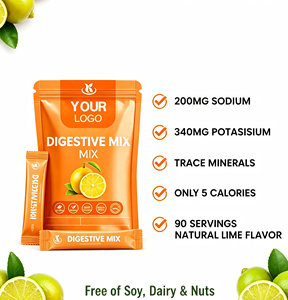
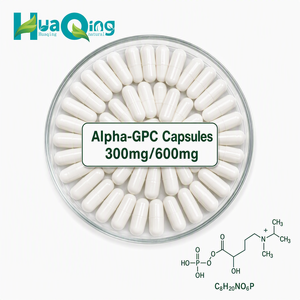
Consumers no longer demand mere muscle recovery powders. The market has embraced multi-functional "all-in-one" powders combining high-PDCAAS vegan protein bases with clinical dosages of nootropics (such as Alpha-GPC, L-Theanine, and Ashwagandha), cellular hydration electrolyte complexes, and digestive enzyme blends (Protease, Amylase, Cellulase, Tilactase). Manufacturing these complex matrices requires precise dry-blending validation to ensure active ingredient homogeneity across multi-ton production batches.
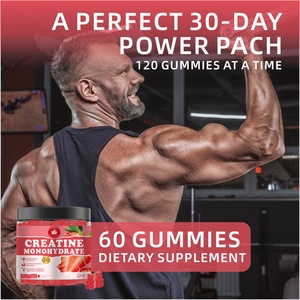
Formulating plant protein into confectionery delivery formats—such as functional gummies and high-protein extruded bars—presents significant moisture-migration and textural hardening challenges over time. By incorporating specialized enzyme-hydrolyzed plant peptides, our R&D center maintains soft water-activity levels (< 0.60 aw), preventing product staling and extending shelf life up to 24 months under ambient storage conditions.
Direct technical answers addressing regulatory compliance, batch testing, customization capabilities, and minimum order requirements.
Whether you require pilot-scale contract blending, advanced enzymatic hydrolysates, or rapid private label product deployment, our engineering and formulation team is ready to assist.
Contact Us