0%

Choosing Private Label Nootropic Supplements requires more than selecting an attractive label and popular ingredients. It demands careful research, supplier verification, and a clear understanding of consumer needs. Buyers should examine ingredient identity, dosage accuracy, allergen controls, manufacturing standards, and product stability. A polished package cannot compensate for weak quality evidence.

Reliable suppliers should provide current certificates of analysis, batch records, third-party testing details, and transparent sourcing information. Look for facilities following recognized good manufacturing practices and quality systems. Ask how they manage contamination risks, ingredient changes, recalls, and storage conditions. A practical review may include checking a sample label, comparing test results, and requesting stability data for the expected shelf life.

Claims require equal attention. Marketing language should remain accurate, cautious, and supported by credible research. Avoid promising instant focus, guaranteed memory improvement, or treatment of medical conditions. Regulations differ between markets, so qualified regulatory advice may be necessary before launch. This step is easy to underestimate.

My experience with supplement evaluation suggests that communication often reveals more than a sales presentation. A dependable partner answers specific questions without hiding behind vague language. Still, no supplier is perfect, and documentation may contain gaps that deserve follow-up. Consider starting with a limited production run, reviewing customer feedback, and monitoring complaints after launch. The best choice balances evidence, safety, formulation quality, pricing, and long-term accountability. It should also fit your audience, budget, and distribution plan. A strong product is not merely novel. It is consistent, traceable, and responsibly presented.
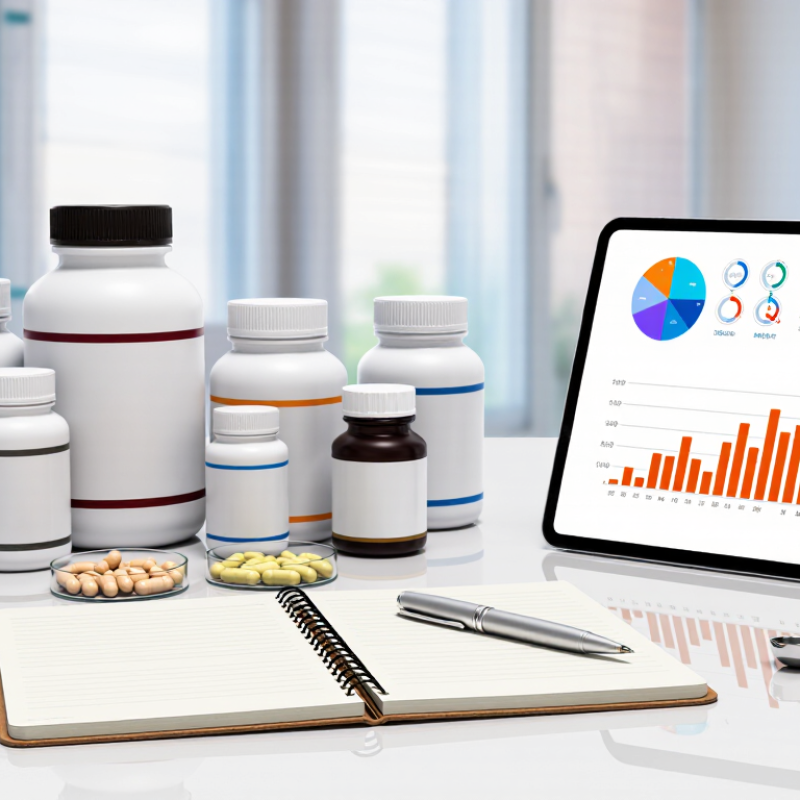
How to Choose Private Label Nootropic Supplements?

What Private Label Nootropic Supplements Are and How They Work

Private label nootropic supplements are products made by a specialized manufacturer and sold under another company’s label. The formula may include legal ingredients such as caffeine, L-theanine, choline, vitamins, or botanical extracts. These compounds may support alertness, neurotransmitter production, or stress management. They do not create instant intelligence.

Their effects depend on dose, absorption, ingredient quality, and individual health. Some ingredients influence adenosine or neurotransmitter pathways. Others may support blood flow or cellular energy. Evidence remains uneven. That matters. A strong package does not prove strong performance.

Grand View Research’s 2024 analysis estimated the global nootropics market at over 3 billion US dollars in 2023. The Council for Responsible Nutrition’s 2024 survey also found that supplement use remains common among American adults. These figures suggest demand, not guaranteed results. When choosing a private label product, buyers should request certificates of analysis, confirm GMP manufacturing, and check batch testing. Labels should show exact amounts, allergens, warnings, and realistic claims. I would avoid proprietary blends because they hide dosages. That choice is less convenient, but more transparent. Research quality can still be imperfect. A responsible formula leaves room for uncertainty.

How to Define Your Product Goals and Target Customer

How to Define Your Product Goals and Target Customer

A private label nootropic supplement needs a precise purpose before ingredient selection begins. “Better focus” is too broad. Define the use moment: a student studying at 8 p.m., a remote worker facing afternoon fatigue, or an older adult seeking mental clarity. Each customer may need a different formula, serving size, format, and communication style.

Keep claims realistic and evidence-based. The U.S. Food and Drug Administration does not approve dietary supplements for safety or effectiveness before marketing.

Consumer trust should guide the target profile. The Council for Responsible Nutrition’s 2024 Consumer Survey reported that 75% of U.S. adults use dietary supplements. That figure shows opportunity, but it does not prove demand for every cognitive formula.

Interview potential buyers about routines, budgets, caffeine habits, and disliked ingredients. Ask what evidence they expect. Short answers can reveal more than polished questionnaires.

Build a simple product brief with one primary goal, one customer group, and three measurable success indicators. These might include repeat purchase intent, acceptable daily cost, and tolerance during a four-week trial.

Avoid promising instant results. Nootropic users often expect too much from one capsule. That assumption deserves testing. Review ingredient research, supplier certificates, stability data, and independent laboratory results before production. A clean label is useful, but transparent evidence is stronger.

How to Evaluate Ingredients, Formulas, and Scientific Evidence

How to Choose Private Label Nootropic Supplements?

A strong formula begins with ingredient quality, not a crowded label. The 2024 Council for Responsible Nutrition Consumer Survey reports that 75% of U.S. adults use dietary supplements. That demand increases the need for careful evidence review. I would check each ingredient’s identity, standardization, dosage, and supplier documentation. A certificate of analysis should confirm potency and screen for heavy metals, microbes, and undeclared substances. Small details matter.

Look for human clinical trials, not only laboratory or animal studies. Evidence should match the final ingredient form and proposed serving size. An extract studied at 300 milligrams cannot automatically support a 50-milligram formula. That shortcut is common. It should be questioned. Examine study design, participant numbers, duration, funding, and whether results were statistically meaningful. A 2024 Nutrition Business Journal report values the U.S. supplement market at more than 60 billion dollars, but market growth does not prove cognitive effectiveness.

Formula design also requires practical testing. Check ingredient overlaps, stimulant load, capsule size, flavor, and daily convenience. Ask whether the formula remains stable during shipping and storage. Independent testing adds credibility, especially when supplier paperwork looks incomplete. I would keep a written evidence table for every ingredient. It may expose weak claims. Some formulas will need fewer ingredients, clearer doses, or more conservative language. That is not a failure. It is better professional judgment.

How to Choose Private Label Nootropic Supplements? – How to Evaluate Ingredients, Formulas, and Scientific Evidence

Evaluation Dimension What to Check Evidence-Based Data or Benchmark Why It Matters for a Formula Assessment
Ingredient Identity Use the exact chemical form, standardized extract name, plant part, and extract ratio where relevant. “Caffeine anhydrous,” “creatine monohydrate,” and a named botanical extract are more informative than generic terms such as “energy blend” or “herbal complex.” Precise identity improves reproducibility, label transparency, and comparison with published research. Essential
Caffeine Verify the total caffeine amount per serving and disclose all caffeine-containing sources. Evidence supports improved alertness and attention at commonly studied doses. A practical daily limit for most healthy adults is up to 400 mg from all sources, while pregnancy guidance is commonly limited to 200 mg per day. Useful for acute alertness, but excessive intake may cause insomnia, nervousness, palpitations, or gastrointestinal discomfort. Strong for alertness
L-Theanine List the standalone amount and evaluate whether it is combined with caffeine. Human studies commonly investigate approximately 100–200 mg of L-theanine, often with caffeine, for attention and perceived mental performance. May complement caffeine-related alertness, but the combined formula should still disclose total caffeine and include stimulant warnings. Moderate
Creatine Monohydrate Use the monohydrate form and state the daily quantity without hiding it inside a proprietary blend. Creatine monohydrate is well studied for high-intensity exercise performance. Research on cognition is promising in some groups, including sleep-deprived individuals and people with low dietary creatine intake, but results are not uniform. It is a transparent, well-characterized ingredient, but cognitive positioning should not exceed the strength of the human evidence. Strong for performance; emerging for cognition
Bacopa Extract Specify the botanical species, plant part, extract standardization, and serving size. Controlled trials have evaluated standardized Bacopa monnieri extracts over several weeks, with some evidence for memory-related benefits after chronic use rather than immediate stimulation. Appropriate for a long-term memory-support concept, but it may cause gastrointestinal effects and should not be presented as an instant cognitive enhancer. Moderate, time-dependent
Citicoline Declare citicoline quantity and avoid implying that all choline compounds are interchangeable. Small human studies have examined citicoline for attention and memory, but outcomes vary by population, dose, and study design. Useful when the formula clearly defines the ingredient and avoids unsupported claims about universal cognitive improvement. Moderate to limited
Alpha-GPC Confirm the actual alpha-GPC amount and distinguish it from total choline content. Human evidence is mixed and is stronger in specific clinical or older-adult populations than in healthy general consumers. Requires conservative positioning, careful population targeting, and review of potential interactions with medications. Limited for general healthy adults
Omega-3 Fatty Acids Declare EPA and DHA separately instead of listing only total fish oil. EPA and DHA are biologically distinct fatty acids. Cognitive outcomes in healthy adults are inconsistent, and benefits may depend on age, baseline intake, and health status. Separate EPA/DHA disclosure improves formula accuracy and prevents misleading equivalence between different oils. Mixed for cognition
Botanical Standardization Verify marker compounds, extract ratio, plant part, batch consistency, and contaminant testing. For botanicals, the same plant name does not guarantee the same chemical profile. Standardization and batch specifications reduce variability. Botanical quality can change substantially with species, cultivation, extraction method, and storage conditions. Essential for botanicals
Dose Transparency Every active ingredient should have an individual quantity per serving. Proprietary blends may list only a combined weight, preventing comparison with clinical studies and making under-dosing difficult to identify. Transparent dosing supports scientific review, consumer safety, and consistent manufacturing. Essential
Formula Synergy Assess whether each combination has direct human evidence rather than relying on theoretical mechanisms. Evidence for one ingredient cannot automatically validate a multi-ingredient formula. The finished combination should ideally be tested as a complete product. Interactions may be additive, neutral, or adverse; a long ingredient list does not guarantee greater effectiveness. Essential
Stimulant Load Calculate caffeine and other stimulant sources across the entire serving and recommended daily use. Include caffeine from coffee, tea, guarana, yerba mate, green tea extract, and other declared sources when estimating total intake. Multiple stimulant sources can unintentionally increase adverse-effect risk and interfere with sleep. High-priority safety check
Third-Party Testing Request independent testing for identity, potency, microbiological quality, heavy metals, pesticides, and prohibited substances where applicable. A certificate of analysis should identify the tested lot, methods, specifications, results, and laboratory details; a logo alone is not sufficient evidence. Testing helps confirm that the finished product matches its label and reduces contamination or adulteration risk. Essential
Manufacturing Controls Review documented good manufacturing practices, written specifications, deviation handling, traceability, and product-release procedures. Quality systems should control raw-material approval, weighing, blending, packaging, storage, and finished-product release. Reliable manufacturing controls are necessary for batch-to-batch consistency and label accuracy. Essential
Label and Claims Review Separate structure/function language from disease-treatment claims and ensure that claims are supported by appropriate evidence. Claims such as “supports alertness” require a different level of wording than claims to diagnose, prevent, treat, or cure a disease. Accurate claims reduce regulatory risk and help consumers understand the realistic purpose of the product. Essential
Population and Exclusions Define intended users and warnings for pregnancy, breastfeeding, minors, cardiovascular conditions, liver or kidney disease, and medication use. Safety data from healthy adults may not apply to other populations. Stimulants and botanicals may interact with medicines or medical conditions. A clear target population supports responsible positioning, labeling, and customer guidance. Required safety review
Outcome Measurement Choose a specific intended outcome, such as alertness, attention, memory, or perceived mental fatigue. Validated cognitive tests, sleep measures, adverse-event tracking, and standardized questionnaires are more informative than testimonials alone. A defined outcome makes it easier to evaluate whether the formula performs as intended. Essential
Evidence Hierarchy Prioritize systematic reviews, randomized controlled trials, human pharmacokinetic data, and well-designed observational research. Mechanistic studies, animal research, testimonials, and unpublished claims can generate hypotheses but do not establish effectiveness in consumers. A consistent evidence hierarchy prevents marketing language from exceeding scientific support. Essential
Shelf Stability Confirm stability data for the final dosage form, packaging, storage conditions, and proposed shelf life. Heat, moisture, oxygen, light, and repeated opening can affect potency and product quality, especially for sensitive botanical or oil-based ingredients. Stability testing helps ensure that the labeled dose remains accurate until the end of shelf life. Essential
Evidence ratings summarize the strength and consistency of human research for the stated use; they are not medical advice and should not replace professional evaluation.

How to Check Manufacturers, Testing Standards, and Compliance

Choosing private label nootropic supplements starts with the manufacturer, not the label design. Grand View Research valued the global dietary supplements market at approximately USD 177.5 billion in 2023. That scale attracts capable factories and careless shortcuts.

Request the manufacturer’s current GMP certificate and inspection history. For products sold in the United States, confirm compliance with FDA 21 CFR Part 111. Ask who owns the formula, specifications, and change-control process. A serious supplier should provide batch-specific certificates of analysis, not a generic template.

Test identity, potency, heavy metals, microbes, allergens, and unexpected contaminants. Independent laboratories should use validated methods and preferably hold ISO/IEC 17025 accreditation. I would also request stability data under realistic heat and humidity conditions. Many launches overlook storage abuse.

Testing must match the claim. A memory-support formula needs verified ingredient identity and declared quantities, not vague “brain blend” language. Review raw-material traceability, supplier qualification, complaint handling, and recall procedures.

CRN’s 2023 Consumer Survey reported that 74% of U.S. adults use dietary supplements, making trust a commercial responsibility. Yet a certificate alone proves only one tested batch. I have seen documentation look polished while sampling plans remained unclear. That gap deserves uncomfortable questions.

Ask for retest policies, laboratory names, assay dates, and the person approving release. Compliance should cover advertising, labeling, privacy, and the destination market’s notification requirements. Get every promise in writing.

How to Compare Costs, Packaging, and Private Label Support

How to Choose Private Label Nootropic Supplements?

Private label nootropic supplements should be evaluated through total cost, not unit price alone. Request a complete quotation covering formulation, raw materials, testing, labeling, packaging, freight, and setup fees. Grand View Research valued the global dietary supplements market at approximately $177.5 billion in 2023. This scale increases supplier choice, but it also makes quality differences harder to see.

Compare packaging by function and evidence. Bottles, sachets, and blister packs create different costs for equipment, storage, and shipping. Ask for material specifications, closure testing, oxygen protection, and recyclable-content data. A lighter container may reduce freight expenses, yet it can feel weak on a retail shelf. Small details matter. Packaging decisions should match serving size, humidity exposure, and expected use.

Private label support deserves a written service level. Confirm who manages formulation documents, certificates of analysis, stability testing, label review, production updates, and complaint handling. The Council for Responsible Nutrition has repeatedly emphasized quality manufacturing and responsible communication as consumer priorities. Support is measurable. Ask how quickly technical questions receive answers and whether corrective actions are documented. I would also request a pilot batch before committing to a large order. It may cost more initially, but it can expose flavor, filling, or packaging problems early. One limitation remains: supplier promises are not proof. Independent test results, clear traceability, and transparent revision records provide stronger evidence.

How to Choose Private Label Nootropic Supplements?

Compare typical private-label supplier models by estimated unit cost, packaging setup cost, and support quality. Costs are planning benchmarks and should be verified with supplier quotations, minimum order quantities, testing, freight, and regulatory requirements.

Key insight: Stock formulas generally offer the lowest entry cost, while custom formulas require higher formulation and packaging investment but may provide stronger technical and regulatory support.

FAQS

Why should a nootropic product have one clear purpose?

A precise purpose guides ingredients, serving size, format, and communication. “Better focus” is too broad. A clearer goal might support evening study or afternoon mental clarity. One product cannot suit everyone equally.

How can I define the target customer?

Describe one main customer group and one use moment. Consider routines, budget, caffeine habits, and disliked ingredients. Ask potential buyers what evidence they expect. Short interviews may reveal uncomfortable truths.

What should a basic product brief include?

Include one primary goal, one customer group, and three measurable indicators. Useful indicators include repeat purchase intent and acceptable daily cost. A four-week tolerance trial may provide practical feedback. The brief may need revision.

How should ingredient quality be evaluated?

Check each ingredient’s identity, standardization, dosage, and supplier records. A certificate should confirm potency and screen for contamination. Review heavy metals, microbes, and undeclared substances. Paperwork alone is not proof.

What kind of scientific evidence matters most?

Human clinical trials usually provide stronger practical evidence than laboratory studies. The research should match the final ingredient form and serving size. A study using 300 milligrams cannot automatically support 50 milligrams. That shortcut deserves questioning.

How can I judge whether a formula is scientifically credible?

Review study design, participant numbers, duration, funding, and statistical results. Check whether the evidence supports the proposed benefit. Market growth does not prove cognitive effectiveness. Claims should remain modest.

What practical tests should a formula pass?

Check ingredient overlaps, stimulant load, capsule size, flavor, and daily convenience. Test stability during shipping and storage. Independent laboratory testing can expose missing information. Small details matter.

Should a product promise fast or dramatic results?

Avoid promising instant or dramatic effects. Many users expect too much from one capsule. Measure tolerance and user experience over several weeks. Some assumptions may be wrong.

Conclusion

Choosing Private Label Nootropic Supplements requires a clear understanding of how these products are designed to support goals such as focus, memory, mental energy, or everyday cognitive wellness. Start by defining your target customer, desired benefits, format, serving size, and positioning. Then review each ingredient, the complete formula, available scientific evidence, safety information, and whether the claims can be communicated responsibly.

A reliable manufacturer should provide transparent sourcing, consistent production standards, independent testing, quality documentation, and support for regulatory compliance in your intended market. It is also important to compare minimum order quantities, production costs, packaging choices, lead times, labeling assistance, and ongoing private label support. By evaluating product quality, customer needs, evidence, compliance, and total business costs together, you can create a trustworthy supplement line with realistic expectations and a clear market purpose.


Ethan Mercer

Ethan Mercer

Ethan Mercer is a seasoned marketing professional with a strong understanding of product strategy, customer needs, and digital communication. As a key contributor to the company’s content and growth initiatives, he regularly updates the corporate blog with practical, well-researched articles that......