Choosing among the 7 Best Ashwagandha Supplement Manufacturers requires more than comparing prices or attractive packaging. A reliable supplier should demonstrate strong Ashwagandha Supplement Manufacturing practices, transparent sourcing, and consistent quality control. Look for manufacturers that identify the plant species, plant part, extraction method, and active compounds. Root-only extracts may offer clearer formulation control, while broad botanical materials require closer evaluation. Details matter.
Quality evidence should be easy to verify. Reputable manufacturers commonly provide batch-specific certificates of analysis, contaminant screening, identity testing, and stability information. Their facilities should follow recognized good manufacturing practices and maintain documented procedures from raw material intake to final packaging. Ask where the ashwagandha is grown, how it is authenticated, and whether testing is performed by qualified independent laboratories. A clean production floor helps, but paperwork and repeatable results matter more.
The “best” choice depends on your product goals. A capsule brand may need flexible minimum order quantities, while a beverage company may require water-dispersible extracts and stronger stability data. Experienced manufacturers should explain formulation limits without making exaggerated health claims. That honesty is valuable.
No supplier is perfect.
Even respected companies can have communication gaps, changing lead times, or inconsistent documentation. This guide evaluates seven manufacturers through practical criteria, including manufacturing experience, testing transparency, customization, regulatory awareness, and customer support. Readers should still request current records, review contracts carefully, and confirm whether each supplier fits their market and formulation needs. That final verification remains essential.
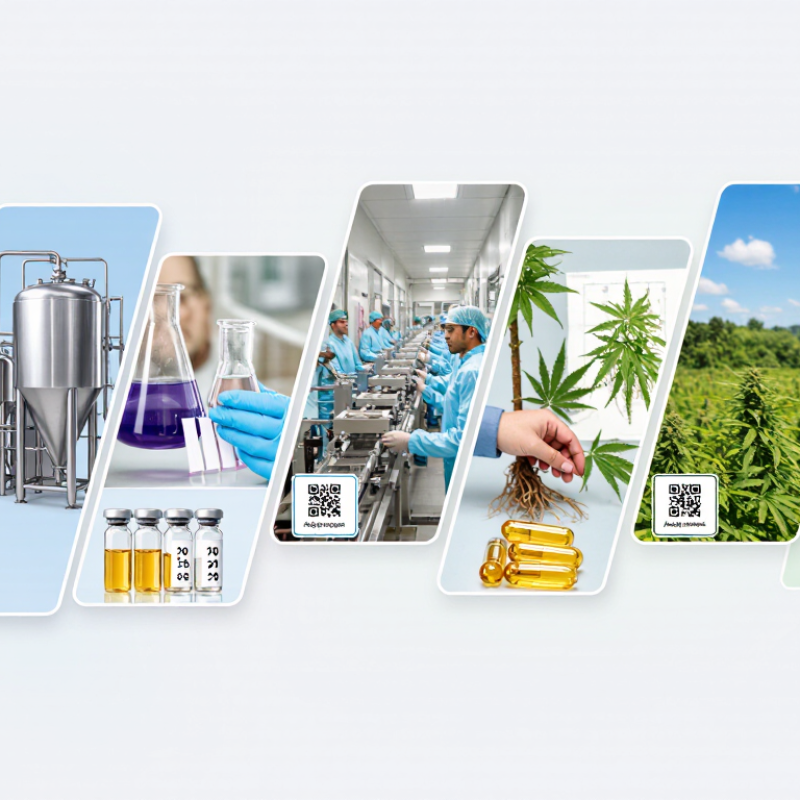
A high-quality manufacturer begins with verified raw materials, not attractive packaging. It should document the plant species, growing region, harvest conditions, and extraction method. Clear identity testing helps confirm that the powder or extract is genuinely ashwagandha. It also reduces substitution risks. Look for standardized withanolide content, supported by batch-specific laboratory results. However, a high percentage alone does not prove superior quality. The extract’s purpose, testing method, and stability data still matter.
Manufacturing facilities should follow recognized good manufacturing practices and maintain clean, controlled production areas. Independent testing should screen for heavy metals, microbes, pesticides, and undeclared ingredients. A reliable company can provide a current certificate of analysis for each batch. Traceability is equally important. The manufacturer should connect the finished bottle to its raw-material lot and production records. Experienced quality teams also investigate failed tests instead of quietly replacing samples. That detail matters. Even strong systems can have gaps, especially when suppliers change.
Tips: Ask for recent laboratory reports, not generic certificates. Check whether test methods are named. Review serving-size consistency and storage guidance. Prefer transparent companies that explain limitations without promising dramatic results. Some labels look precise but offer little evidence. This is where careful skepticism helps. Independent professional review can add value, although no review replaces proper testing and responsible manufacturing.
Comparing seven leading ashwagandha manufacturers requires more than checking capsule prices. The best evaluation begins with raw material identity, extraction method, and batch documentation. One manufacturer may specialize in root-only powder, while another uses a standardized extract with measured withanolides. That difference matters. Root-only is not automatically better.
A practical review also examines manufacturing controls. Look for current GMP certification, supplier verification, microbial testing, heavy-metal screening, and clear certificates of analysis. Three manufacturers may publish batch results openly. Others may provide documents only after a direct request. That gap affects confidence. It also deserves scrutiny.
Look for current GMP certification, supplier verification, microbial testing, heavy-metal screening, and clear certificates of analysis.
Several manufacturers stand out for different reasons. The first focuses on tightly controlled standardized extracts. The second emphasizes organic farming and traceable cultivation. A third offers small-batch production with detailed testing records. Another has strong stability testing for longer shelf life. The fifth competes through high-volume production and consistent supply. The sixth provides custom formulations for professional buyers. The seventh appears attractive because of low pricing, but its public documentation may be limited. Low cost can hide missing evidence.
From a formulation perspective
I would compare dosage accuracy, excipient transparency, packaging quality, and storage instructions. I would also check whether testing covers the finished product, not only incoming herbs. Experience has taught me to question polished claims. Marketing language can sound scientific without showing meaningful data. Even reliable manufacturers may have uneven documentation between batches, so a recent certificate matters more than an old promise.
7 Best Ashwagandha Supplement Manufacturers?
Choosing among the best ashwagandha supplement manufacturers starts with ingredient sourcing. The 2023 HerbalGram market report estimated U.S. herbal supplement sales at $12.6 billion. That growth increases pressure for traceable botanicals. Reliable manufacturers should document the plant’s origin, harvest conditions, and storage temperature. They should also test for identity, heavy metals, pesticides, microbes, and adulteration.
Extract standards matter more than impressive label language. A manufacturer should state whether the extract uses root, leaf, or both. It should identify the extraction solvent and standardize withanolide content using validated HPLC testing. The NIH Office of Dietary Supplements notes that ashwagandha studies use different preparations, making comparisons difficult. Therefore, a higher percentage is not automatically better. A certificate of analysis helps, but it should match the exact batch. I would still question vague “clinically tested” claims.
Tips: Look for batch-specific testing, transparent sourcing, and stability data. Check serving size, excipients, and packaging protection from heat and moisture. Manufacturers following dietary supplement good manufacturing practices should control formulation, blending, filling, and finished-product release. The FDA’s 21 CFR Part 111 framework supports these controls. However, compliance paperwork is not proof of clinical effectiveness. A polished label can remain incomplete. That is why independent verification, realistic claims, and consistent extract specifications deserve attention.
Choosing among the seven best ashwagandha supplement manufacturers requires more than comparing prices or polished websites. Look for batch-specific certificates of analysis, or COAs, that confirm identity, potency, heavy metals, pesticides, microbes, and residual solvents. The testing laboratory should be independent and preferably accredited to ISO/IEC 17025 standards. Generic laboratory reports are weaker evidence. Batch numbers should match the product container.
Manufacturing practices also reveal product quality. Reliable facilities follow current Good Manufacturing Practices and document raw-material checks, cleaning procedures, equipment calibration, and packaging controls. Ask whether the manufacturer explains the plant part used, extraction ratio, solvent, and withanolide measurement method. “Standardized” is not enough by itself. The testing method matters. A facility may hold a certification, yet provide little public evidence about recent audits or corrective actions. That gap deserves attention.
Tips: Check the seal, lot number, expiration date, and serving details before purchase. Compare the label with the COA, not just the marketing page. Contact customer support with specific questions. Clear answers are useful evidence. Vague replies are not. Transparency should include sourcing regions, allergen controls, storage conditions, and a way to report side effects. Still, online information can be incomplete, and even careful testing cannot guarantee identical results for every person. A cautious, evidence-led review is better than trusting a “premium” claim.
Choosing an ashwagandha manufacturer requires more than comparing prices. Ask where the roots are grown, how they are identified, and when they are harvested. Reliable suppliers should provide traceable batch records and clear botanical details. Look for the plant’s scientific name, plant part, extraction ratio, and standardised active compounds. Vague labels deserve caution.
Manufacturing controls matter just as much. Ask for current certificates of analysis from independent laboratories. These reports should test identity, potency, heavy metals, pesticides, microbes, and residual solvents. A strong facility follows recognised good manufacturing practices and documents cleaning, storage, and temperature controls. Small details reveal a lot. For example, moisture-damaged powder may lose quality before it reaches production.
Communication is another practical test. A dependable manufacturer answers technical questions directly and shares realistic lead times, minimum order quantities, stability data, and recall procedures. Request samples from different batches, not only one attractive shipment. Compare colour, aroma, solubility, and laboratory results. No checklist is perfect. Even experienced buyers can overlook packaging or regional compliance requirements. A qualified herbal specialist or regulatory consultant can review the finished product before release. Choose evidence over impressive promises.
Compare raw material identity, extraction method, batch records, testing, packaging, and storage guidance. Capsule price alone tells little.
Some products use root-only material. Others use root and leaf. The label should clearly identify every plant part.
Check the extraction solvent and standardized withanolide content. A higher percentage is not automatically better.
Look for identity, microbial, pesticide, heavy-metal, and adulteration testing. Finished-product testing matters too.
It connects test results to a particular production batch. An old certificate may not describe today’s bottles.
Check current GMP certification, supplier verification, controlled blending, filling, and finished-product release procedures.
No. It supports manufacturing controls, not clinical effectiveness. I would still question polished health claims.
Look for protection from heat and moisture. Clear storage instructions help. Small details matter here.
Low pricing may reflect efficient production. It may also accompany limited public documentation. I would investigate before deciding.
Ashwagandha studies use different preparations, so comparisons remain difficult. Even reliable documentation can vary between batches. My confidence would stay cautious.
Choosing a high-quality Ashwagandha supplement manufacturer requires more than comparing prices or product labels. This article explores seven leading manufacturers through key factors such as responsible ingredient sourcing, standardized extract specifications, thoughtful product formulation, and consistent quality control. It explains why clear information about the plant source, active compounds, dosage formats, and stability testing can help buyers distinguish reliable products from those with limited transparency.
The discussion also examines independent testing, recognized certifications, facility standards, batch documentation, and communication practices that support trust throughout the supply chain. By reviewing these elements together, readers can better understand how Ashwagandha Supplement Manufacturing influences product consistency, safety, and overall value. Whether selecting a manufacturing partner or evaluating finished supplements, the best choice should align with specific needs, quality expectations, target markets, and evidence-based purchasing criteria.